“My car is ceramic coated, so nothing can scratch it and I never need to wax it again.”
Ceramic coatings have gone from a niche detailing service to a default upsell at almost every showroom in the UAE. The global market was valued at roughly USD 9.5 billion in 2022 and is projected to keep growing at a double-digit rate, according to industry research. That popularity has produced a lot of confident opinions and very little chemistry.
The active ingredient in most modern coatings is silicon dioxide, or SiO2the same compound that makes up quartz and beach sand. When it is formulated into a liquid polymer and applied to a car’s clear coat, it cross-links into a hard, glass-like layer that is chemically bonded to the paint surface. What that layer actually does, and does not do, is where most car owners get misled.
Myth 1
Myth: Ceramic Coating Makes Your Car Scratch-Proof
This is the single most expensive misconception in the industry. A cured SiO2 layer measures around 9H on the pencil hardness scale, which sounds impressive but only tells you how it resists a graphite point, not a stone chip on Sheikh Zayed Road or a valet’s dry towel.
The coating is only a few microns thick. It resists light marring and swirl marks from proper wash technique, but it will not stop rock chips, key scratches, or careless brushes at a petrol station. If genuine scratch and impact protection is what you want, you need a physical film, not a chemical coating.
The most expensive myth of all
Treating a ceramic-coated car as invincible leads to skipped washes, dry wiping, and automatic brush car washes. Those habits create swirl marks the coating cannot repair, and a full correction plus re-coating in Dubai can cost several thousand dirhams. If you park in mall lots and drive through desert-adjacent highways daily, pair the coating with a proper paint protection film for your car on high-impact panels like the bonnet, bumper, and mirrors.
Myth 2
Reality: SiO₂ Forms a Chemical Bond, Not Just a Coat of Wax
Traditional carnauba wax and synthetic sealants sit on top of the clear coat through physical adhesion. They wash off, melt in heat, and rarely last more than a few weeks in UAE summer conditions where surface temperatures on a black bonnet can exceed 80°C.
A proper ceramic coating behaves differently. When the liquid polymer is applied and levelled, the silicon-oxygen chains react with the hydroxyl groups on the clear coat and with each other. This cross-linking is a real covalent-style bond, and as the solvents flash off the layer cures into a continuous glass-like matrix.
- Wax: physical film, 4 to 8 weeks of life, no chemical bond.
- Synthetic sealant: polymer film, 3 to 6 months, weak adhesion.
- SiO2 ceramic coating: cross-linked semi-permanent layer, 2 to 5 years depending on grade and care.
That bonded layer is why water beads so aggressively on a freshly coated car. The hydrophobic surface has a low surface energy, so water pulls into tight droplets and rolls off, carrying dust with it.
Myth 3
Myth: Ceramic Coating Replaces Paint Protection Film
These two products solve different problems and the industry keeps blurring the line. Paint protection film (PPF) is a thick, self-healing thermoplastic urethane layer, usually 150 to 200 microns, that physically absorbs stone chips and light scratches. Ceramic coating is a chemical layer measured in single-digit microns.
- PPF stops rock chips and abrasion. It is a shield.
- Ceramic stops UV oxidation, chemical etching from bird droppings, and staining. It is a sealant.
- Together they cover both mechanical and chemical threats, which is why most premium detailers in the UAE offer them as a stacked package.
Choosing ceramic over PPF because it is cheaper is a false economy on any car you plan to keep for more than three or four years in this climate.
Myth 4
Reality: The Clear Coat Is What You Are Really Protecting
To understand why SiO2 matters, you have to understand what sits underneath it. Modern automotive paint is a four-layer sandwich:
- Steel or aluminium body panelthe structural surface.
- Electrocoat primera corrosion-resistant base that also promotes adhesion.
- Base coatwhich carries the pigment and metallic flake that gives the colour its identity.
- Clear coata transparent urethane layer that provides gloss, depth, and UV protection.
The clear coat is the only layer exposed to the sun, sand, and chemical fallout. When it fails, the base coat below oxidises rapidly and the paint takes on that chalky, faded look you see on older taxis. Under sustained high-UV exposure, clear coat degradation can begin in as little as three to five years without protection, according to accelerated weathering studies.
A ceramic coating bonds to that clear coat and takes the hit for it. UV photons and reactive contaminants attack the sacrificial SiO2 layer first, and reapplication tops it back up. Without the coating, that damage lands directly on the paint itself, and the only fix is a repaint.
Myth 5
Myth: Once Coated, You Can Forget About Maintenance
A ceramic coating is not a set-and-forget product, and the UAE climate is unusually punishing. The average UV index in Dubai hits 11+ for most of the summer, well above the “extreme” threshold defined by the World Health Organization. That is roughly double the peak values seen in most European cities on a summer afternoon.
Combine that UV load with fine desert dust, occasional rain that dries into mineral spots within minutes, and 45°C ambient temperatures, and even the best coating needs regular care. Skipping washes lets contaminants sit on the surface long enough to bond, and eventually the hydrophobic behaviour dulls.
What Proper Maintenance Actually Looks Like
Two-bucket wash
Use pH-neutral shampoo and a clean microfibre mitt. Never a sponge, never a brush at an automatic car wash.
Weekly rinse
A quick rinse after a dusty week prevents fine particulate from grinding into the coating as you wipe.
Annual inspection
A detailer checks contact angle and beading, then applies a topper or refresh layer if the hydrophobicity has dropped.
The Real Benefits of the SiO₂ Bond
Once you strip away the marketing, a properly cured ceramic coating gives you a specific and measurable set of advantages in UAE conditions:
- UV resistance that slows clear coat oxidation and colour fade.
- Chemical resistance to bird droppings, tree sap, and industrial fallout that would otherwise etch the clear coat within hours in summer heat.
- Hydrophobic surface that makes washing faster and reduces the mechanical stress of drying.
- Gloss enhancementbecause the glass-like SiO2 layer refracts light more uniformly than a scratched or oxidised clear coat.
- Dirt repellenceparticularly against the fine dust that coats every car in the Emirates within a day.
None of those benefits are magic. They are the predictable result of putting a hard, low-energy, chemically bonded layer between your paint and the environment. Understand the chemistry, keep your expectations honest, and a good ceramic coating is one of the most cost-effective things you can do for a car you plan to keep in the UAE for the long term.
Frequently asked questions
How long does a ceramic coating actually last in UAE conditions?
A professionally applied SiO2 coating typically lasts 2 to 5 years, but UAE summers shorten that range. Continuous high UV, surface temperatures above 70°C, and abrasive dust all accelerate wear.
Expect the real-world lifespan to sit closer to the lower end of the manufacturer’s claim unless you wash carefully and keep the car garaged or covered when parked long-term.
Is a 9H ceramic coating really as hard as it sounds?
9H refers to the pencil hardness scale, which measures resistance to a graphite point, not to metal keys, gravel, or automatic car wash brushes. It is a useful comparison between coatings, not an absolute guarantee against scratches.
Any impact hard enough to mark the clear coat underneath will also mark the coating.
Can I apply ceramic coating myself at home?
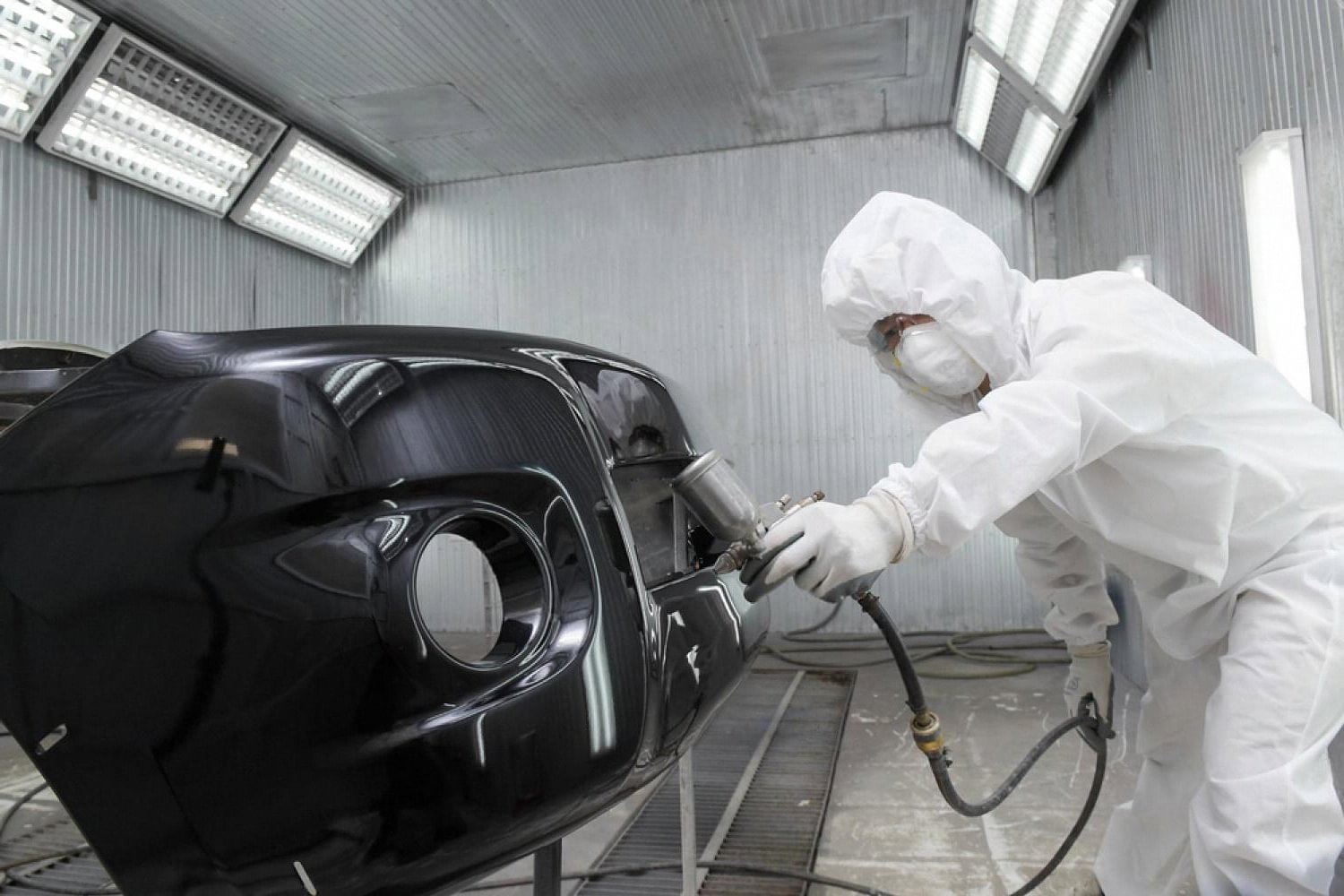
Consumer-grade sprays exist and can add mild hydrophobic behaviour, but they are not chemically equivalent to a professional 2-year or 5-year product. Proper coatings require paint decontamination, clay bar work, a machine polish to correct existing defects, and a controlled, dust-free environment during cure.
Applying a premium coating over an uncorrected, contaminated surface locks in swirl marks permanently.
Do I still need paint protection film if I have a ceramic coating?
Yes, if you care about stone chips and physical abrasion. Ceramic coatings handle chemical and UV threats. Paint protection film handles mechanical impacts.
For UAE drivers who spend time on highways or park in tight lots, the two products complement each other and are usually applied in sequence: film first on impact zones, coating over the top.
Why does my ceramic-coated car still get dirty?
Hydrophobic does not mean self-cleaning. Dust and dry contaminants still settle on the surface, and only rain or a rinse washes them off. The advantage is that they release far more easily than they would from bare clear coat.
In the UAE, expect to still wash the car weekly, but the wash itself becomes faster and gentler.
Will ceramic coating fix existing swirl marks or scratches?
No. A coating is transparent and follows the exact contour of the surface it is applied to. Any defects present in the clear coat will remain visible, and in some cases the added gloss makes them more obvious.
Paint correction must be completed before the coating is applied. That step is often the largest single cost in a professional package.

Hiking addict, shiba-inu lover, record lover, Swiss design-head and New School grad. Acting at the crossroads of modernism and sustainability to craft an inspiring, compelling and authentic brand narrative.